
Views: 0 Author: Site Editor Publish Time: 2026-02-10 Origin: Site


Have you ever opened a can of paint only to find it too thick to apply smoothly? This is a common frustration for both DIY enthusiasts and professional auto body technicians. The solution often lies in a clear, solvent-based liquid that can dramatically alter the viscosity of your coating. But exactly what are paint thinners, how do they interact with delicate car paint, plus why are they essential for achieving a showroom finish?
Paint thinners are solvents used to dissolve paint and reduce its thickness. They are crucial for leveling out coatings, cleaning brushes, or prepping surfaces. However, not all thinners are created equal. Using the wrong product can ruin a paint job, especially when dealing with high-quality automotive finishes. In this guide, we dive deep into the chemistry and practical application of these solvents to ensure your next project succeeds.
At their core, paint thinners act as a vehicle for the paint pigment and binder. When you ask what are paint thinners, you are essentially asking about the mechanism that allows paint to flow. Without these solvents, many paints would be too viscous to spray through a gun or brush onto a surface evenly.
Thinners work by separating the molecules of the paint, effectively making the mixture more fluid. This is vital when working with car paint. Automotive finishes require a specific viscosity to atomize correctly when sprayed. If the paint is too thick, it causes "orange peel" textures. If you use too much of the paint thinners, the coating becomes runny and prone to drips.
Understanding the balance between the paint and the thinners is the key to a professional finish. These solvents evaporate after application, leaving behind the solid resin and pigment. This evaporation rate is critical; if it happens too quickly or too slowly, the finish quality suffers.


When discussing what are paint thinners, we must address compatibility. Can you use generic mineral spirits for high-end automotive work? Usually, the answer is no. Car paint formulations are complex chemical mixtures often involving urethanes or acrylics. These require specific paint thinners designed to break down those specific resins without destroying them.
Using an incompatible thinner can cause the car paint to curdle, lose gloss, or fail to adhere to the primer. For example, lacquer thinners are highly aggressive and can melt plastics or lift old paint layers. Enamel thinners are formulated differently to support the curing process of enamel paints.
Professional painters know that the choice of thinners affects the drying time. In hot weather, you might choose "slow" paint thinners to keep the car paint wet long enough to level out. In cold weather, "fast" thinners help the solvent evaporate before runs occur. This level of control is what separates a botched job from a perfect restoration.
The term "paint thinners" covers a broad spectrum of chemicals. To understand what are paint thinners truly capable of, we need to look at the specific types available on the market.
Lacquer thinners are perhaps the most potent solvents available to consumers. They are typically a blend of two or more solvents like acetone, toluene, and xylene. They are designed specifically for lacquer-based paints, which were historically common on older vehicles. Because they are so strong, they are excellent for cleaning spray guns clogged with dried car paint. However, their aggressive nature means they can damage surfaces if not used with care.
Mineral spirits are petroleum-derived paint thinners. They are less toxic and less smelly than lacquer thinner. They are excellent for oil-based paints and varnishes but are rarely used for modern two-stage car paint systems. They are more commonly found in household painting projects rather than automotive repair shops.
In the world of modern automotive refinishing, you will often hear the term "reducer" instead of "thinner." While they serve a similar purpose—lowering viscosity—reducers are chemically tailored for urethane car paint. They are technically a specialized class of paint thinners. Using a general-purpose thinner in a urethane basecoat or clearcoat often leads to cloudiness or delamination.
Safety is paramount when discussing what are paint thinners. These liquids are volatile organic compounds (VOCs). They release fumes that can be harmful if inhaled and are highly flammable. Ideally, you should always work in a well-ventilated area. When mixing car paint with thinners, wear a respirator rated for organic vapors. Skin contact should also be avoided. Many paint thinners can be absorbed through the skin, leading to long-term health issues. Nitrile gloves are a standard requirement in any paint shop.
Storage is another safety concern. Paint thinners should be kept in metal containers with tight-sealing lids. Never store them near heat sources, sparks, or open flames. A rag soaked in linseed oil or certain thinners can spontaneously combust if not disposed of correctly.
One of the most common questions regarding what are paint thinners is how much to use. The ratio depends entirely on the specific product you are using.
Most technical data sheets (TDS) for car paint will specify a mixing ratio. For example, a common ratio might be 4:1:1. This means 4 parts paint, 1 part hardener, and 1 part thinner (or reducer). If you add too few thinners, the paint will not flow out, leaving a rough texture. If you add too many paint thinners, the paint will be too transparent and will not cover the surface effectively. It will also run vertically, creating unsightly drips that have to be sanded out later.


Viscosity Condition | Cause | Result on Surface | Solution |
|---|---|---|---|
Too Thick | Not enough thinners | Orange peel texture, dry spray | Add more paint thinners (5-10%) |
Too Thin | Too many thinners | Runs, sags, poor coverage | Add more paint base |
Correct Viscosity | Balanced ratio | Smooth, glass-like reflection | Maintain current mix |
Beyond mixing with car paint, what are paint thinners used for? Cleaning is a huge part of their utility. After spraying a vehicle, the spray gun is coated internally with curing paint. If left to dry, the gun becomes useless.
Paint thinners are flushed through the gun to dissolve the wet paint. For this purpose, cheaper, "wash-grade" thinners are often used. These are recycled solvents that might not be pure enough for mixing into the topcoat but are perfect for cleaning.
They are also used to prep surfaces. Before applying car paint, the body panel must be free of wax, grease, or silicone. While specific "wax and grease removers" exist, mild paint thinners can sometimes be used to wipe down bare metal surfaces to ensure they are clean.
We cannot discuss what are paint thinners without mentioning the environment. As solvents evaporate, they contribute to ground-level ozone and smog. This is why many regions have strict regulations on the VOC content of car paint and thinners.
In response, the industry has developed waterborne car paint systems. These use water as the primary carrier rather than solvent-based thinners. However, even waterborne systems often require specialized additives that function similarly to traditional paint thinners to control drying times in humid conditions.
Disposal is also a critical issue. You should never pour used paint thinners down the drain or onto the ground. They can contaminate groundwater. Most cities have hazardous waste collection centers where DIYers can drop off dirty solvents.
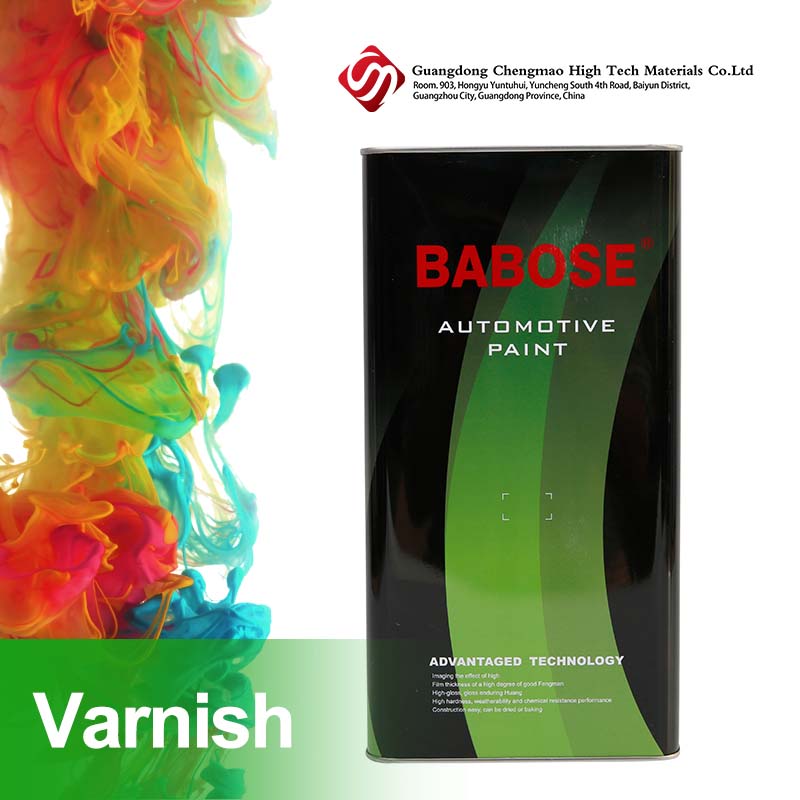

When you are ready to start your project, sourcing quality materials is essential. Cheap, low-grade thinners can contain moisture or contaminants that ruin expensive car paint.
If you are looking for professional-grade reliability, we recommend checking out chengmao coating. Their products are formulated to ensure consistent flow and gloss retention, making them a trusted choice for automotive refinishing. Whether you need standard thinners or specialized reducers, chengmao coating offers solutions that help you achieve that perfect factory finish.
Paint thinners are typically made from mineral spirits, acetone, turpentine, naphtha, toluene, or xylene. The exact composition varies depending on whether the product is intended for oil-based house paint, lacquer, or automotive car paint.
No, unless you are using water-based paint. Traditional car paint is solvent-based and is hydrophobic (repels water). Adding water to solvent-based paint will ruin it immediately. You must use the appropriate chemical thinners.
This depends on temperature. If it is very hot (above 85°F/29°C), use "slow" paint thinners to prevent the paint from drying before it hits the car. If it is cold (below 65°F/18°C), use "fast" thinners to speed up drying.
It is risky. Lacquer thinners are often too aggressive and can react poorly with the hardeners in urethane car paint. This can lead to the finish staying soft, losing its shine, or peeling off later. Always use the reducer or thinners recommended by the paint manufacturer.
No. While they share chemical properties, paint thinners are designed to dilute wet paint. Paint removers (strippers) are much stronger chemicals designed to dissolve and lift cured, dry paint from a surface.
Email: 15119204649@163.com
Phone: +86-15119204649


