
Views: 0 Author: Site Editor Publish Time: 2026-01-28 Origin: Site


Have you ever wondered what gives a car its glossy, tough, and long-lasting finish? The secret often lies in a critical component that many overlook: the hardener. When painting a vehicle, achieving a professional-grade result involves more than just applying a coat of color. The chemical processes happening within the paint are complex. A car paint hardener is a key catalyst in this process, transforming liquid paint into a resilient, protective shell. Without the correct hardener, your paint job could remain soft, vulnerable to scratches, and lack the professional sheen you desire.
This article will explore the essential functions of a car paint hardener. We will examine what it is, how it works, and why it is indispensable for modern automotive finishes. From understanding the chemical reactions to learning about proper mixing ratios, you will gain a comprehensive understanding of this vital product. We will also discuss the benefits of using a high-quality hardener and how it contributes to the paint's durability, gloss, and overall performance.
A car paint hardener, also known as an activator or catalyst, is a chemical agent that initiates a curing process in two-component (2K) paint systems. Unlike single-component paints that dry through solvent evaporation, 2K paints require a chemical reaction to harden properly. The hardener contains isocyanates that cross-link with the polyol resins in the paint base. This reaction creates a strong, durable, and chemically resistant film that forms the final paint surface.
Using a hardener is non-negotiable for most modern automotive clear coats, primers, and single-stage topcoats. The resulting finish is far superior to what can be achieved with air-dry paints, offering enhanced protection against environmental factors like UV radiation, chemicals, and physical abrasions. Essentially, the hardener is what gives the paint its strength and resilience.


The primary function of a car paint hardener is to trigger a process called cross-linking. When you mix the hardener with the paint, the isocyanate molecules in the hardener begin to form powerful chemical bonds with the resin molecules in the paint. Imagine it as weaving countless threads together to create a solid, impenetrable fabric. This molecular network is what gives the cured paint its exceptional toughness.
This chemical reaction is exothermic, meaning it releases heat as it progresses. The process is irreversible; once the paint is cured with a hardener, it cannot be returned to its liquid state. This permanent transformation ensures the finish remains stable and protective for years. The use of a quality hardener is critical for ensuring this reaction completes correctly, leading to a perfectly cured surface.
Not all hardeners are the same. Automotive paint systems offer different types of hardener to accommodate various application conditions, primarily temperature and humidity. These are typically categorized by their drying speed: fast, medium, and slow.
Hardener Type | Ideal Temperature Range | Curing Speed | Best Use Case |
|---|---|---|---|
Fast Hardener | 55-65°F (13-18°C) | Quick | Small repairs, spot jobs, or cooler weather |
Medium Hardener | 65-80°F (18-27°C) | Moderate | All-purpose, suitable for most conditions |
Slow Hardener | 80°F+ (27°C+) | Slow | Overall resprays or painting in hot weather |
Choosing the right hardener is crucial for avoiding paint defects. Using a fast hardener in hot weather can cause the paint to dry too quickly, resulting in poor flow and a rough texture. Conversely, using a slow hardener in cold temperatures can significantly extend the curing time, leaving the paint susceptible to runs, sags, and dust contamination. A specialized product like a paint hardener spray can sometimes simplify this for smaller jobs.
The addition of a car paint hardener provides numerous advantages that are essential for a high-quality, long-lasting automotive finish. Its role goes far beyond simply making the paint dry. The hardener fundamentally improves the physical and chemical properties of the paint film, ensuring it can withstand the harsh conditions a vehicle faces daily.
Without a hardener, 2K paints would never fully cure, remaining tacky and soft. This would make them completely unsuitable for automotive use. Let's explore the specific benefits that a car paint hardener delivers.
Durability is perhaps the most significant benefit of using a car paint hardener. The cross-linked molecular structure created during the curing process results in an incredibly tough and resilient surface. This makes the paint highly resistant to chipping from road debris, minor scratches from daily use, and scuffs from accidental contact.
This enhanced hardness also provides superior chemical resistance. A properly cured finish can withstand exposure to gasoline, oil, bird droppings, acid rain, and harsh cleaning agents without staining or degrading. The hardener creates a non-porous barrier that protects the underlying color coat and vehicle body from corrosion and damage. The right paint hardener spray or liquid hardener is key to this protection.
A car paint hardener is also instrumental in achieving a deep, glossy, "wet look" finish. As the paint cures, the cross-linking process helps the film to flow out and level itself, creating a smooth, uniform surface. This smoothness is what reflects light evenly, resulting in a high-gloss appearance.
Furthermore, the tough surface created by the hardener is ideal for buffing and polishing. Minor imperfections or orange peel can be sanded and polished out to achieve a flawless, show-car shine. This level of finish correction would be impossible on a soft, uncured paint film. The quality of the hardener directly impacts the final depth and clarity of the gloss.
For smaller touch-ups and DIY projects, a paint hardener spray has become a popular option. These products are typically 2K aerosol cans that have the paint and hardener in separate chambers. A button on the bottom of the can is pressed to release the hardener into the paint, and the can is then shaken to mix the components.
When used correctly, a high-quality paint hardener spray can deliver results comparable to those achieved with professional spray equipment, but on a smaller scale. It offers the same benefits of durability, chemical resistance, and gloss because it uses the same two-component chemical reaction. This makes a paint hardener spray an excellent choice for repairing panels, painting accessories, or any project where setting up a full spray gun system is not practical. The convenience of a paint hardener spray is undeniable for hobbyists.
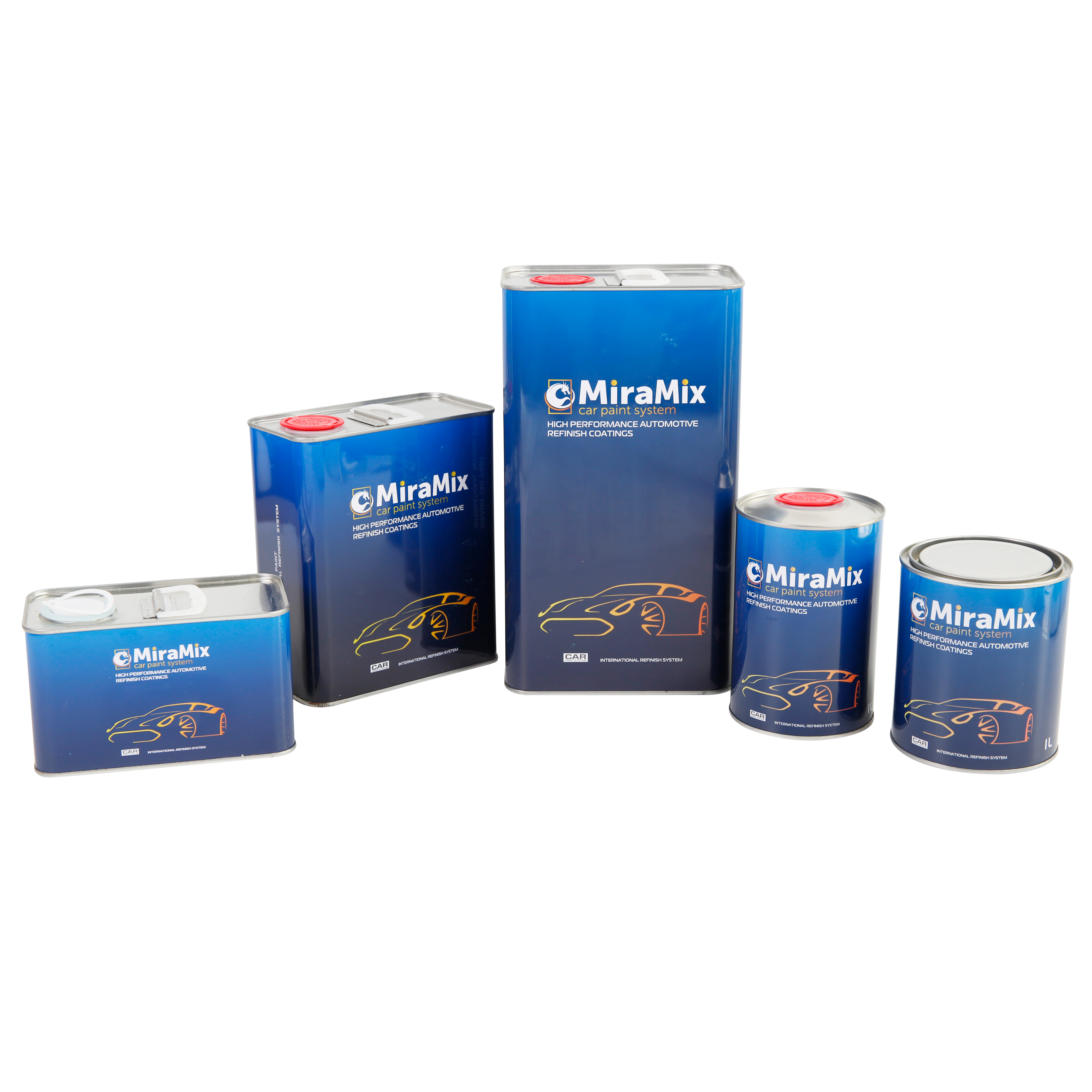

What if you decide to skip the hardener or use the wrong amount? The consequences can be disastrous for your paint job. As we've established, 2K paints are chemically designed to work with a hardener. Failing to use one, or using an incorrect ratio, disrupts the entire curing process. The paint will likely never fully cure. It will remain soft, tacky, and extremely vulnerable. Even after days or weeks, the surface may feel sticky to the touch. It will scratch easily, show fingerprints, and offer almost no protection against chemicals or the elements. In short, the paint job will be a failure and will need to be completely stripped and redone. This is why understanding the role of the hardener is so important.
The mixing ratio is specified by the paint manufacturer and must be followed precisely. It is usually expressed as a ratio by volume, such as 2:1, 3:1, or 4:1. A 2:1 ratio, for example, means you need two parts of paint for every one part of hardener.
Using too little hardener will result in a soft, under-cured finish that won’t be durable. Using too much hardener can make the paint brittle and prone to cracking. It can also cause the paint to cure too quickly, leading to application problems like a dry, rough texture. Always use calibrated mixing cups to ensure you are measuring the paint, hardener, and any required reducer accurately.
In automotive painting, the hardener is not just an additive; it is a fundamental component that defines the quality and longevity of the finish. It is the catalyst that transforms paint into a durable, protective, and beautiful coating. From enhancing durability against scratches and chemicals to providing a deep, lasting gloss, the role of a car paint hardener cannot be overstated. Whether you are a professional painter or a DIY enthusiast using a paint hardener spray, selecting the correct type and using it in the precise ratio is critical for success.
Investing in a high-quality hardener ensures that the time and effort you put into preparing and painting your vehicle pay off with a finish that looks great and stands the test of time. For painters seeking reliable and consistent results, we recommend exploring the product line from chengmao coating, which offers professional-grade solutions for achieving a perfect finish.
Pot life is the amount of time you have to use the paint after mixing it with the hardener. This can range from 30 minutes to several hours, depending on the specific product and the ambient temperature. Once the pot life expires, the paint will begin to thicken and cure inside the spray gun, making it unusable.
It is strongly recommended to use the hardener that is specifically designed for the paint system you are using. Mixing brands can lead to compatibility issues, improper curing, and a failed paint job. Manufacturers formulate their car paint hardener and paint resins to work together chemically.
Yes, a high-quality 2K paint hardener spray uses the same chemical principles as professional systems and can produce a very durable and glossy finish. It is an excellent option for smaller repairs and projects where convenience is a priority.
While the paint may be dry to the touch within a few hours, a full cure takes much longer. The cross-linking process continues for days or even weeks. Most manufacturers recommend waiting at least 24 hours before any light handling and up to 30 days before waxing or polishing the new finish. The specific hardener (fast, medium, slow) will also affect this timeline.


Email: 15119204649@163.com
Phone: +86-15119204649


