
Views: 0 Author: Site Editor Publish Time: 2026-04-10 Origin: Site


A flawless vehicle exterior requires more than just a quick color spray. The foundation of a vehicle's aesthetic appeal relies entirely on the precise chemistry of Auto Paint. Whether you plan to restore a classic vehicle or repair minor scratch damage, understanding the mechanics behind Auto Paint ensures a durable, professional finish.
We will explore the layers that make up a vehicle's coating system. You will learn the exact purpose of automotive paint primer, the protective benefits of top coat paint, plus the step-by-step methodology professionals use to achieve perfection.

Auto Paint serves a dual purpose for modern vehicles: protection against harsh environmental elements plus striking visual appeal. Unlike standard house colors, Auto Paint utilizes advanced chemical compounds designed to withstand extreme temperature fluctuations, ultraviolet radiation, road debris, plus chemical contaminants.
A standard Auto Paint job consists of several distinct layers working together. You cannot simply apply color directly to bare metal. The process requires a structural hierarchy starting from the base substrate up to the final glossy shield. When experts discuss Auto Paint, they refer to this entire multi-layered system rather than just the color pigment.
To achieve maximum longevity, technicians rely heavily on specialized materials. Every Auto Paint application requires precise curing times, specific mixing ratios, plus controlled environments to prevent contamination.
Before adding any color, the surface requires meticulous preparation. This is exactly where automotive paint primer becomes indispensable. The automotive paint primer acts as the critical binding agent between the bare vehicle surface beneath it plus the subsequent color layers above it.
Bare steel or plastic offers zero natural adhesion for colored Auto Paint. If you apply color directly to these materials, the finish will immediately peel away. An automotive paint primer creates a micro-porous texture that grips the metal while giving the next coat something substantial to grab onto.
Furthermore, an automotive paint primer provides essential corrosion resistance. Rust remains the absolute worst enemy of any vehicle frame. High-quality automotive paint primer seals the raw metal, locking out moisture completely.
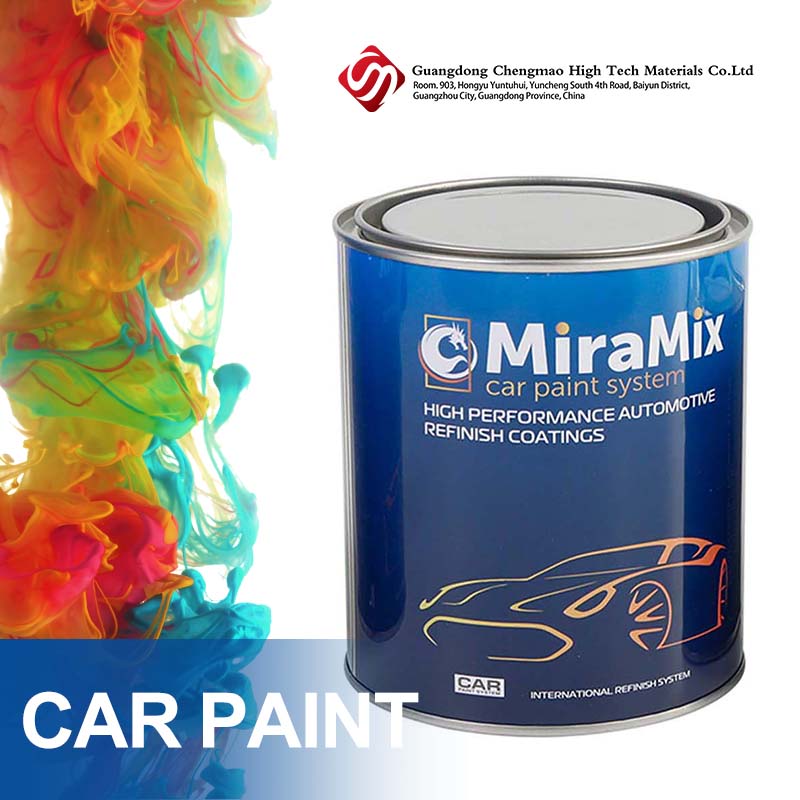
Even beautifully machined metal features microscopic imperfections. A high-build automotive paint primer fills in tiny scratches left behind by sandpaper. After applying the automotive paint primer, technicians sand the surface completely flat. This creates a glass-like foundation necessary for a flawless Auto Paint result. Without proper automotive paint primer application, every minor flaw will become highly visible once the glossy layers go on.
Professionals typically apply automotive paint primer in several light layers. Applying automotive paint primer too heavily leads to runs or improper curing. Each coat of automotive paint primer must dry thoroughly before adding the next. This careful automotive paint primer stage guarantees the structural integrity of the entire Auto Paint job.
Once the automotive paint primer cures properly, the actual color layer follows. This basecoat contains the precise pigment required to match the vehicle's factory specifications. While the color layer provides the visual impact, it actually lacks durability on its own. It remains quite fragile without the final protective layer.
Auto Paint basecoats come in solid colors, metallic finishes containing tiny aluminum flakes, or pearlescent finishes utilizing ceramic crystals. Regardless of the visual effect, the basecoat relies entirely on the automotive paint primer beneath it for adhesion.
The final layer in modern Auto Paint systems is the top coat paint, frequently referred to as clear coat. Top coat paint provides no color whatsoever. Instead, top coat paint serves as a transparent, high-gloss armor shield protecting everything underneath.
The sun's ultraviolet rays will quickly fade unprotected color pigments. Premium top coat paint contains specialized UV inhibitors that block this radiation. Additionally, top coat paint seals the vehicle against chemical threats like bird droppings, tree sap, acid rain, plus harsh road salts.
When you notice a vehicle peeling, you are usually witnessing top coat paint failure. If the top coat paint delaminates, the colored Auto Paint beneath it degrades rapidly. Maintaining your top coat paint through regular washing plus waxing ensures the entire Auto Paint system survives for decades.
Beyond protection, top coat paint delivers that deep, wet-looking gloss we associate with new vehicles. The thick layer of top coat paint magnifies the color layer beneath it, especially bringing metallic flakes to life. Technicians often apply multiple layers of top coat paint to provide enough material for future polishing. If a minor scratch occurs, it usually only damages the top coat paint, allowing professionals to buff it out without touching the color.

Understanding how these elements combine helps ensure a successful project. Below is a detailed breakdown of the standard Auto Paint sequence.
Application Stage | Material Used | Primary Purpose | Required Curing |
|---|---|---|---|
1. Preparation | Degreasers | Remove wax, grease, dirt | Immediate |
2. Foundation | Automotive paint primer | Adhesion, rust prevention | 2 to 24 hours |
3. Levelling | High-build automotive paint primer | Fill minor surface scratches | 4 to 12 hours |
4. Color | Basecoat Auto Paint | Provide vehicle color | 30 to 60 minutes |
5. Protection | Top coat paint | UV protection, high gloss | 24 to 48 hours |
Applying Auto Paint correctly takes immense patience. Rushing from the automotive paint primer stage to the top coat paint stage guarantees premature failure.
Protecting your Auto Paint investment requires ongoing care. Even the highest quality top coat paint degrades if neglected. Wash your vehicle bi-weekly using specialized automotive shampoos. Never use household dish detergents, as these strip essential waxes right off the top coat paint.
Applying a high-quality wax or ceramic coating over the top coat paint provides a sacrificial layer against environmental contaminants. This keeps the actual top coat paint pristine, which in turn protects the base color, which rests safely upon the automotive paint primer.
What exactly is Auto Paint?
Auto Paint is a highly specialized chemical coating system designed specifically for vehicle exteriors. It involves multiple layers including automotive paint primer, color basecoat, plus transparent top coat paint to provide both color aesthetics plus extreme environmental protection.
Can I skip using automotive paint primer?
No, you should never skip automotive paint primer. The automotive paint primer ensures the colored Auto Paint sticks to the bare metal or plastic. Without automotive paint primer, the finish will peel off rapidly, leaving your vehicle susceptible to severe rust damage.
How many layers of top coat paint do I need?
Professionals generally recommend applying two to three wet layers of top coat paint. This provides sufficient UV protection while leaving enough top coat paint thickness for future wet-sanding plus polishing procedures.
How long does Auto Paint take to fully cure?
While top coat paint might feel dry to the touch within a few hours, the entire Auto Paint system takes roughly 30 to 90 days to completely outgas plus cure. You should avoid applying tight wraps or heavy waxes until the top coat paint finishes this curing cycle completely.
Why does my top coat paint look cloudy?
Cloudy top coat paint usually results from trapped moisture during the spraying process, or severe UV degradation over time. Polishing can sometimes restore oxidized top coat paint, but severe damage requires sanding down to the automotive paint primer for a fresh application.
Is automotive paint primer required for plastic bumpers?
Yes, but you need an adhesion-promoting automotive paint primer specifically formulated for flexible plastics. Standard metal automotive paint primer might crack when the plastic bumper flexes under pressure.
Achieving a showroom-quality finish requires knowledge, patience, plus premium materials. Whether you are laying down a smooth layer of automotive paint primer or polishing your final layer of top coat paint, using reliable products makes the difference between an amateur job plus a professional restoration. For those seeking top-tier automotive finishing materials, we highly recommend chengmao for your upcoming vehicle projects.
Contact Information
Email: 15119204649@163.com
Phone: +86-15119204649


