
Views: 0 Author: Site Editor Publish Time: 2025-03-11 Origin: Site


Automotive spray painting has come a long way in recent decades, bringing innovations that benefit both manufacturers and the environment. Among these advancements, water-based automotive spray paints stand out as a game-changer. With their unique properties and eco-friendly advantages, water-based paints are increasingly becoming the preferred choice for automobile painting jobs. In this article, we explore the evolution of automotive spray paint, the advantages of water-based options, their applications, and address frequently asked questions.
The history of automotive spray paint reflects the advancement in technology and growing environmental concerns. Traditional solvent-based paints dominated the industry for years due to their durability, smooth finish, and ability to dry quickly. However, these paints often contained high levels of volatile organic compounds (VOCs) that contributed to air pollution and posed significant health risks. Over time, regulations tightened, and consumers began to demand more sustainable and safer products. These factors drove the automotive industry to rethink its approach to spray painting. The result? The rise of water-based spray paints. These innovative paints cut down on VOC emissions and align with global efforts to reduce the carbon footprint of various industries. Today, water-based automotive spray paints are transforming both professional and DIY spray painting processes. Not only do they meet modern environmental standards, but they also deliver excellent results that rival traditional solvent-based products.


| Aspect | Solvent-Based Paints | Water-Based Paints |
|---|---|---|
| Composition | High VOC content; solvent-based. | Low VOC content; water-based. |
| Drying Time | Typically dries faster due to evaporative solvents. | Requires slightly longer drying time. |
| Environmental Impact | Higher contribution to air pollution. | Eco-friendly, with minimal VOC emissions. |
| Finish | Durable, glossy finish with strong adhesion. | Versatile finishes; comparable durability. |
| User Safety | Risky to inhale; requires protective gear. | Safer, lower odor. |
Water-based automotive spray paints offer numerous advantages, making them an excellent alternative to traditional options. Below are some of the key benefits:
One of the primary reasons water-based paints are gaining momentum is their low environmental impact. Solvent-based paints emit VOCs that contribute to greenhouse gas emissions and smog formation. Water-based paints use water as the main carrier instead of toxic solvents, which significantly reduces harmful emissions.
Water-based paints are safer to use, especially for those handling them frequently. Unlike solvent-based alternatives, which require respirators and ventilated workspaces, water-based paints have lower toxicity and emit fewer harmful fumes. This makes spray painting automotive projects safer and less stressful.
Contrary to early perceptions, water-based automotive paints produce high-quality finishes that rival traditional products. They provide smooth coverage, excellent color depth, and durability. A popular choice among many professionals is white automotive spray paint, which offers clean, seamless results.
Governments worldwide are adopting strict VOC emission standards to combat climate change and pollution. Water-based automotive paints not only meet these regulations but often exceed them, making them a smart choice for businesses striving to stay compliant.
This paint type is easier to clean off tools and surfaces because water is the primary solvent. Unlike solvent-based paints that require harsh chemicals for cleaning up, water-based paints can be rinsed away with soap and water.
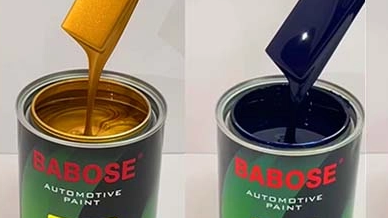
The environmental advantages of switching to water-based spray paints cannot be overstated. By replacing harmful petrochemicals with water, the automotive industry reduces its ecological burden.
Reduced Air Pollution : Traditional paints release VOCs, which combine with nitrogen oxides to create ground-level ozone. Water-based paints produce negligible VOCs, lessening their impact on air quality.
Decreased Hazardous Waste : Tools and materials contaminated with solvent-based paint are classified as hazardous waste, adding to disposal challenges. Water-based alternatives are easier and safer to dispose of.
Lower Energy Consumption : The production of water-based paints consumes less energy compared to solvent-based paints, further contributing to reduced greenhouse gas emissions. By making the switch, manufacturers and enthusiasts alike contribute to a healthier planet without compromising on quality.
The process of using water-based automotive spray paint is straightforward, although it requires some adjustments for those accustomed to solvent-based products. Here’s a step-by-step outline:
Proper preparation is critical to achieving a flawless finish. Clean the surface thoroughly to remove any dirt, grease, or dust. Sand the surface lightly and apply an appropriate primer to ensure the paint adheres properly.
Follow the manufacturer’s instructions for mixing. Unlike solvent-based paints, you’ll often need to stir rather than shake the container to avoid creating air bubbles.
Water-based paints are typically applied using a spray gun. Adjust the nozzle for an even spray, and hold it at a consistent distance from the surface. Apply in light, even coats rather than one heavy coat. This minimizes dripping and creates a smooth finish.
Although water-based paints might take slightly longer to dry, the results are worth the wait. Use a heat lamp or ensure good ventilation to speed up the drying time.
Once dried, you can buff the paint or apply a clear coat for added shine and protection. Water-based clear coats are also available for an eco-friendly finishing touch.


Water-based paints are more environmentally friendly and safer for users. While they might take slightly longer to dry, the finishes they produce are just as durable and visually appealing as solvent-based paints.
Yes, water-based spray paints are excellent for touch-ups and even full vehicle repainting. They adhere well, provide smooth finishes, and are easy to clean up.
You can use standard automotive spray guns for water-based paints, though some models are optimized for this type of paint. It’s also essential to ensure good ventilation for the drying process.
No, modern water-based paints are highly durable and resistant to chipping when applied correctly.
For top-notch products, we recommend Chengmao Coating (contact details provided below). They offer a variety of water-based paints, including highly sought-after white automotive spray paint.
When it comes to water-based automotive spray paints, quality matters. Chengmao Coating is a trusted provider committed to offering premium products that deliver superior results. Whether you’re a professional or a DIY enthusiast, Chengmao’s extensive range of paints caters to every need. Their team prioritizes environmental responsibility while upholding rigorous quality standards. Customers rave about the durability, coverage, and finish of their paints. If you’re searching for high-quality water-based automotive spray paints, Chengmao Coating is your go-to provider. Feel free to reach out to their support team for inquiries. Contact Chengmao Coating via email at 16620143317@163.com or by phone at +86-16620143317.
The rise of water-based automotive spray paints marks a significant leap forward for both the automotive world and the environment. Offering a safer alternative to traditional solvent-based products, these paints champion sustainability while maintaining the high standards expected in automotive finishes. If eco-friendliness, safety, and stunning results matter to you, water-based spray paints are the way to go. For high-quality products that meet all your automotive painting needs, trust Chengmao Coating. With expert service and premium products, they are ready to help you create professional-grade finishes while contributing to a greener planet.


