
Views: 0 Author: Site Editor Publish Time: 2025-11-26 Origin: Site


Finishing a painting project, whether it’s a room refresh or a small craft, can be incredibly satisfying. However, the satisfaction often fades when you’re left with half-empty cans of leftover paint. Disposing of liquid paint is not as simple as tossing it in the trash. It's often restricted due to environmental regulations. This is where a paint hardener becomes an essential tool for homeowners, DIY enthusiasts, and professional painters. This guide will explore everything you need to know about this innovative solution.
We will cover what a paint hardener is, how it works, and its various applications. Understanding the benefits of using a high-quality hardener will simplify your cleanup process and ensure you are disposing of paint responsibly. By the end, you will see why having a reliable paint hardener is a game-changer for any painting job.
A paint hardener is a substance, typically a powder, that is added to leftover latex or acrylic paint to solidify it. The chemical reaction turns the liquid paint into a solid, rubbery mass that can be safely and legally disposed of in your regular household trash. This eliminates the environmental risks associated with liquid paint seeping into landfills and groundwater.
The primary purpose of a hardener is to offer a simple and effective paint management solution. Instead of searching for special disposal sites or leaving cans to dry out over weeks or months, you can solidify paint in minutes. This makes the cleanup process faster and more convenient. For anyone who regularly works with paint, using reliable paint hardeners is a smart practice.


The science behind a paint hardener is straightforward. Most paint hardeners on the market are superabsorbent polymers. When you mix the powder into water-based paint, the polymer rapidly absorbs the liquid component, causing the paint to thicken and eventually solidify. The process is quick, usually taking just a few minutes to a few hours, depending on the volume of paint and the specific product used.
Prepare: Open your can of leftover latex or acrylic paint.
Add the Hardener: Following the manufacturer's instructions, pour the recommended amount of hardener powder into the paint. The ratio is typically provided on the packaging.Stir: Use a stir stick to mix the powder thoroughly into the paint. You will notice it begin to thicken almost immediately.
Wait: Allow the mixture to sit for the recommended time. The paint will transform into a solid, clumpy material.
Dispose: Once the paint is completely solid and no liquid remains, you can dispose of the can in your regular curbside trash, usually with the lid off.
This simple process makes paint hardeners an accessible tool for everyone, regardless of their experience with painting projects.
Opting to use a paint hardener for your leftover paint offers numerous advantages over traditional disposal methods. It is not just about convenience; it is also about safety, efficiency, and environmental responsibility.
Liquid paint is considered hazardous waste in many municipalities. If disposed of improperly, its chemicals can contaminate soil and water sources. A paint hardner neutralizes this risk by turning the liquid into an inert solid, making it safe for standard landfill disposal. This is a small step that contributes to a larger effort of protecting our environment.
The most immediate benefit is the convenience. Instead of waiting weeks for a thin layer of paint to air dry or driving to a specific hazardous waste facility, you can solidify your paint in under an hour. This efficiency is invaluable for both busy homeowners and professional contractors who need to clean up job sites quickly.
While there is an initial cost to purchase a paint hardener, it can be more cost-effective in the long run. Hazardous waste disposal facilities sometimes charge fees. Furthermore, the time and fuel saved by avoiding a trip to a special facility add to the overall savings. One small packet of hardener can often treat a full gallon of paint, providing excellent value.
It is crucial to know that not all paints are the same. Most commercially available paint hardeners are designed specifically for water-based paints.
Paint Type | Compatible with Hardener? | Disposal Notes |
|---|---|---|
Latex Paint | Yes | Ideal for use with a standard paint hardener. Solidifies quickly for easy disposal. |
Acrylic Paint | Yes | Water-based acrylics work well with hardeners. The process is similar to latex paint. |
Oil-Based Paint | No | Oil-based paints require different disposal methods. They will not solidify with a standard hardener. |
Stains & Varnishes | No | These products are typically oil-based or solvent-based and cannot be solidified with water-absorbing polymers. |
Always check the label on your paint can to confirm whether it is water-based (latex, acrylic) or oil-based. For oil-based paints, you will need to contact your local waste management authority to find the correct disposal procedures, which often involve taking them to a household hazardous waste collection event. Using the right hardener for the right paint is key to success.


With several options on the market, selecting the best paint hardener can feel overwhelming. Look for a product that is efficient, safe, and offers good value. A quality hardener should work quickly and solidify the paint completely without leaving any liquid behind. Products that generate minimal dust and are non-toxic are also preferable for safe handling.
A superior hardener simplifies the entire cleanup process, making it a must-have for your toolkit. Investing in reliable paint hardeners ensures that your post-project cleanup is as smooth as your painting.
A paint hardener is a paint management solution that turns liquid paint into a solid state for curbside disposal. It is typically a powder that, when mixed with water-based paints like latex or acrylic, absorbs the liquid and transforms the paint into a solid, easily disposable material. This makes the process of getting rid of leftover paint much simpler and more environmentally friendly.
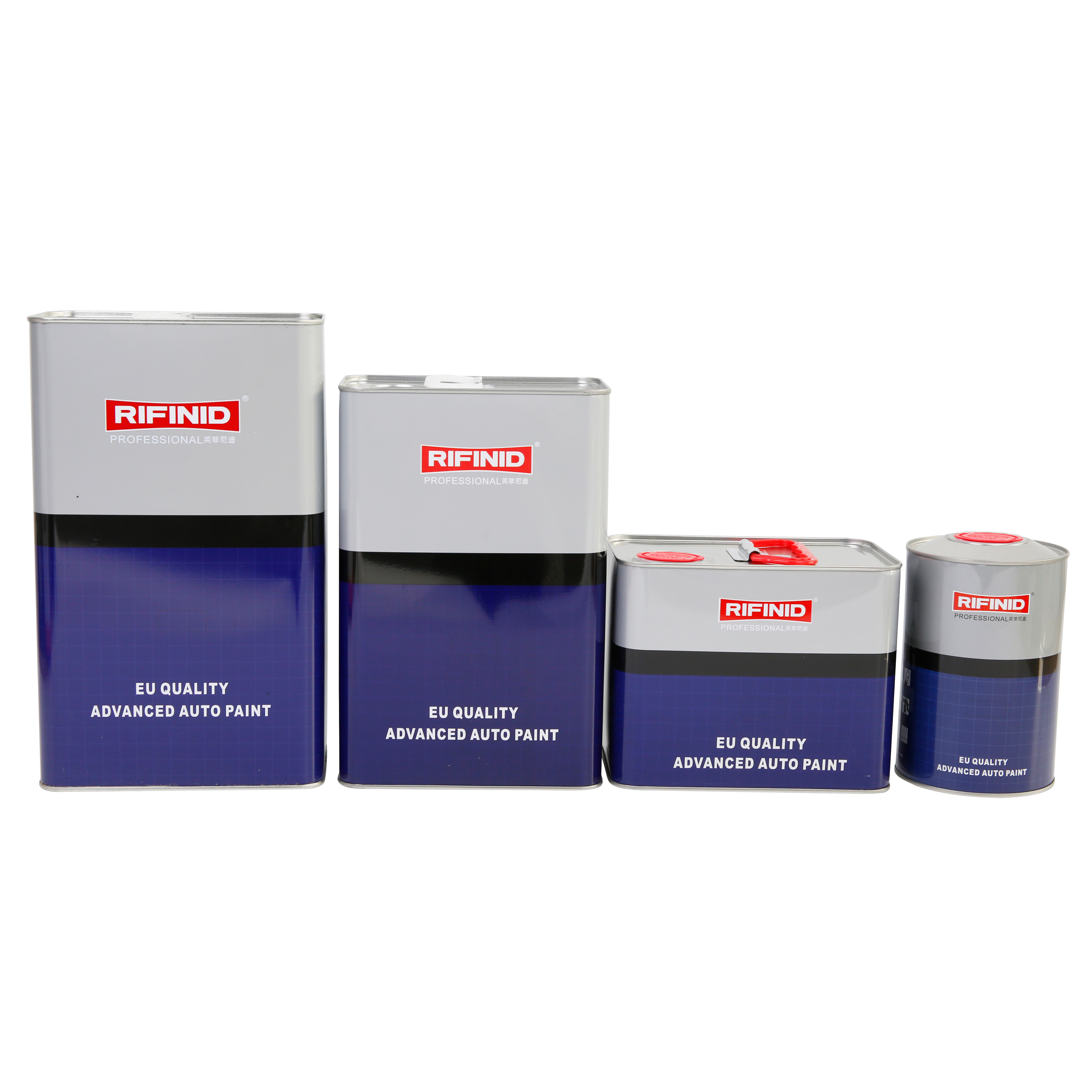

When you need a reliable, fast-acting, and effective paint management solution, look no further than chengmao coating. Our premium paint hardener is engineered to solidify leftover latex and acrylic paints in minutes, transforming your cleanup from a chore into a simple, final step. The chengmao coating hardener is formulated for maximum absorption, ensuring that every drop of liquid paint becomes a solid, disposable mass.
For your next project, trust the hardener that professionals and DIYers alike can count on. Choose chengmao coating for a clean, quick, and responsible way to handle leftover paint. Our superior paint hardeners make project cleanup easier than ever.
Ready to simplify your paint disposal process?
Contact us today to learn more about our products or to place an order.
Email: 15119204649@163.com
Phone: +86-15119204649


