
Views: 0 Author: Site Editor Publish Time: 2024-10-22 Origin: Site


auto painting is an essential skill for car enthusiasts, professionals, and DIY hobbyists alike. Whether you are planning a complete repaint, dealing with unsightly paint chips, or repairing scratches, mastering the fundamentals can save you both time and money. This guide offers step-by-step instructions on how to auto paint, repair paint chips, and correct scratches on your vehicle. Furthermore, it will address important considerations such as the cost of auto paint and the application of auto paint strippers.

Painting a car can seem intimidating at first, but with the right tools and techniques, it’s possible to achieve a professional-looking result. Here’s a step-by-step guide:
Prepare Your Workspace
Auto painting should be done in a clean, dry area with good ventilation. You’ll need a space where dust and debris won’t contaminate the fresh paint. A garage or a rented paint booth is ideal.
Gather the Tools and Materials
You will need the following:
Automotive paint (base coat, clear coat, and primer)
Sandpaper (various grits)
Masking tape and plastic sheeting
Paint sprayer or spray gun
Auto paint stripper if you are removing old paint
Safety gear (gloves, mask, goggles)
Start by washing the car thoroughly to remove dirt and grime. Once clean, use sandpaper to smooth out the surface, working your way up to finer grits for a sleek finish. This helps the primer and paint adhere better to the car.
Mask Off the Areas You Don’t Want to Paint
Use masking tape and plastic sheeting to cover windows, mirrors, and any other parts you don't want to paint. This ensures a clean, professional look.
Apply Primer
Spray a coat of primer on the car to help the paint adhere properly. Allow it to dry according to the manufacturer’s instructions, and sand it lightly afterward for a smooth surface.
Apply the Base Coat
Using your paint sprayer, apply the base coat in even strokes. Usually, 2-3 coats are necessary for full coverage. Allow the paint to dry between coats and lightly sand after each coat to remove any imperfections.
Finish with a Clear Coat
Once the base coat has dried, apply a clear coat for shine and protection. This will seal the color and give the car a glossy finish.
Allow the Paint to Cure
After painting, let the paint cure for at least 24 hours before driving the car. Be cautious not to expose the freshly painted surface to harsh elements during this period.
Auto paint chips can occur from road debris, small rocks, or accidental scratches. Fixing them as soon as possible prevents rust from forming and maintains your car’s appearance.
Clean the Area
Wash the chipped area with soap and water. Make sure it's completely clean to avoid trapping dirt under the touch-up paint.
Sand the Chip
Use fine-grit sandpaper to smooth the edges of the chipped paint. This helps the touch-up paint blend with the surrounding area.
Apply Primer
If the chip is deep and exposes metal, apply a small amount of primer to prevent rust. Let it dry completely before proceeding.
Apply Touch-Up Paint
Using a small brush or a paint pen, carefully apply the auto paint to the chipped area. You may need to apply multiple thin coats for full coverage. Allow each coat to dry before applying the next.
Finish with Clear Coat
After the touch-up paint has dried, apply a clear coat to seal the repair and restore the gloss. Let it dry and then lightly buff the area for a smooth finish.

Scratches on your car's paint can range from minor surface blemishes to deep gouges. Here’s how to tackle them:
Assess the Damage
Determine if the scratch is just in the clear coat or if it extends into the base coat or metal. Light scratches can often be buffed out, while deeper scratches require more effort.
Clean and Sand the Scratch
Clean the scratched area and use fine-grit sandpaper to smooth out the edges of the scratch. If the scratch is deep, you may need to use a higher-grit sandpaper first.
Apply Polish or Compound for Minor Scratches
For minor scratches that haven’t penetrated the clear coat, you can use a polishing compound. Apply it to the scratch with a soft cloth in circular motions. This can help to buff out light damage.
For Deeper Scratches
Deeper scratches that reach the base coat require touch-up paint. Apply the paint carefully, and after it dries, add a clear coat for protection.
Buff and Polish
Once the paint has dried and the clear coat has been applied, use a polishing compound to smooth out the repaired area. This helps blend the new paint with the old.
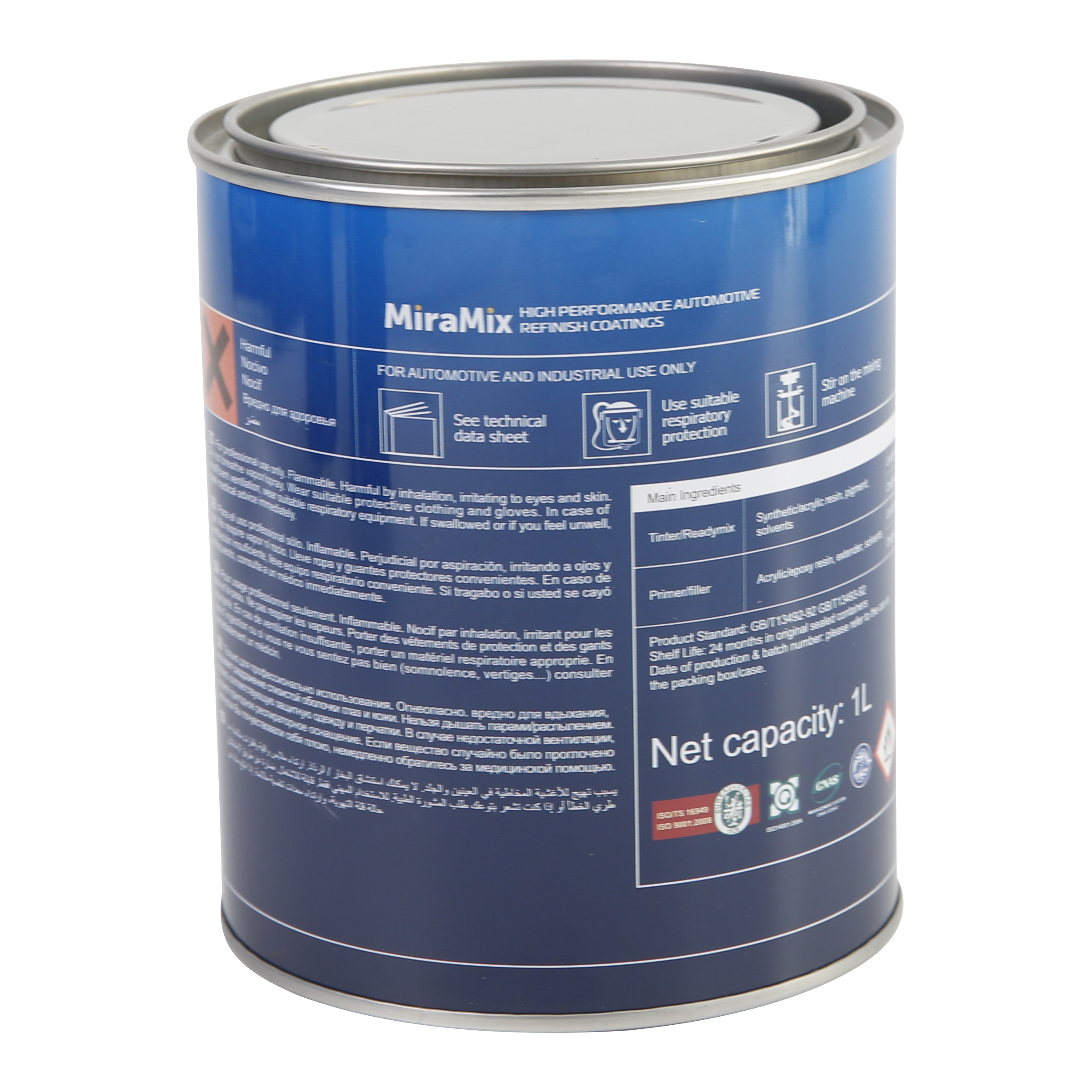
The cost of auto paint cost jobs varies widely based on the extent of the work. A professional paint job can range from $500 for basic work to $5,000 or more for high-quality finishes. If you’re doing it yourself, materials like paint, sandpaper, and clear coats can cost between $100 and $1,000.
Auto paint strippers are often used to remove old paint before starting a new project. They come in liquid or gel form and can help strip the paint down to bare metal, making it easier to start fresh. Be sure to use strippers designed for automotive use, as household products may damage the car’s surface.
Whether you’re looking to repaint your car, fix small chips, or repair scratches, understanding the basics of auto painting is essential. Having the right tools, techniques, and knowledge can make all the difference in achieving a smooth, professional finish.
For top-quality auto painting supplies and services, we recommend Chengmao Coating. For inquiries, you can reach them via email at 16620143317@163.com or contact them at +86-16620143317 for all your auto painting needs.


