
Views: 0 Author: Site Editor Publish Time: 2026-05-12 Origin: Site


Every vehicle owner loves the look of a freshly detailed automobile gleaming under the sun. Achieving that breathtaking shine requires more than just a quick wash and a coat of wax. The secret lies in the quality of the materials applied long before the car ever hits the road.
Selecting the right Car paint is the most critical decision in any automotive restoration or repair project. A high-quality coating not only provides a stunning visual appeal but also serves as the primary defense against harsh weather, road debris, and UV rays. When you use premium materials, you protect your investment and maintain the vehicle's resale value for years to come.
Understanding the different components of automotive coatings can seem complicated at first. With various layers, mixing ratios, and drying times to consider, making the right choice requires a bit of foundational knowledge. This guide will walk you through the essential elements of automotive refinishing, helping you make informed decisions for your next project.
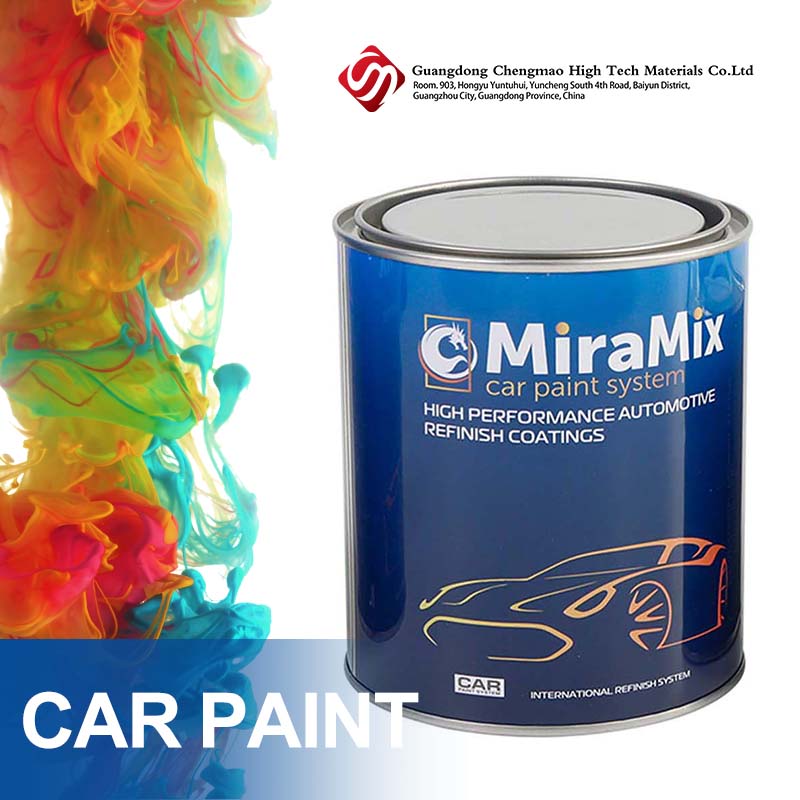
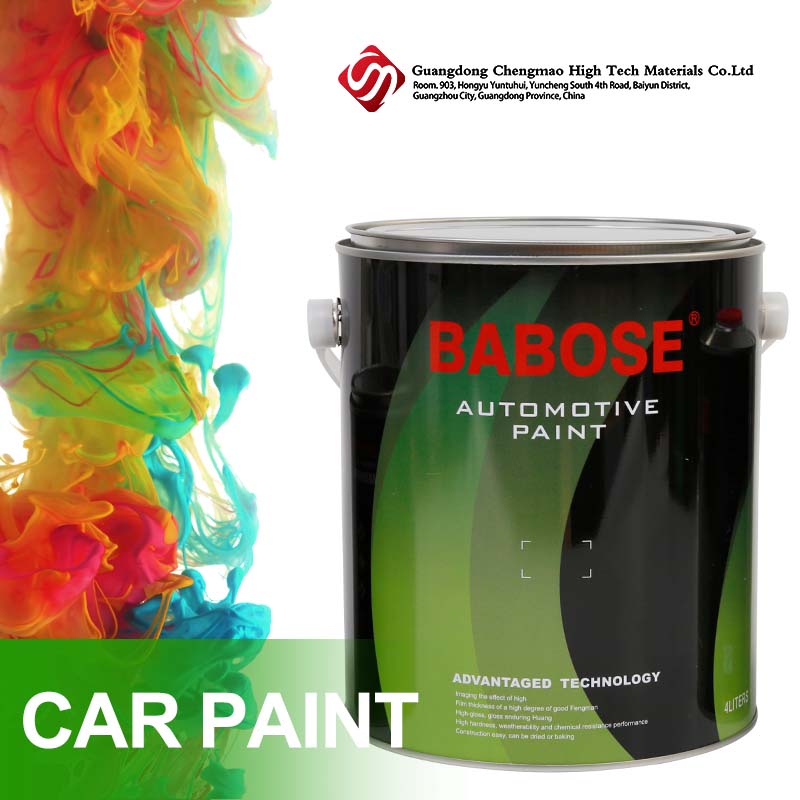
A durable and visually striking automotive finish is never achieved with a single product. It involves a systematic application of different chemical formulations, each serving a highly specific purpose.
The process begins with a high-quality primer. This foundational layer creates a smooth surface by filling in minor imperfections on the bare metal or body filler. It also promotes maximum adhesion for the layers that follow.
Once the primer is sanded and prepared, the basecoat is applied. This layer provides the actual color of the vehicle. While the basecoat delivers vibrant hues and metallic flakes, it does not offer gloss or protection on its own. It remains vulnerable to the elements until sealed.
To bring the color to life and shield it from environmental damage, professionals apply a transparent top layer. A premium Clearcoat provides that highly desired, mirror-like gloss. More importantly, it acts as a robust barrier against scratches, chemical spills, and fading caused by prolonged sun exposure.
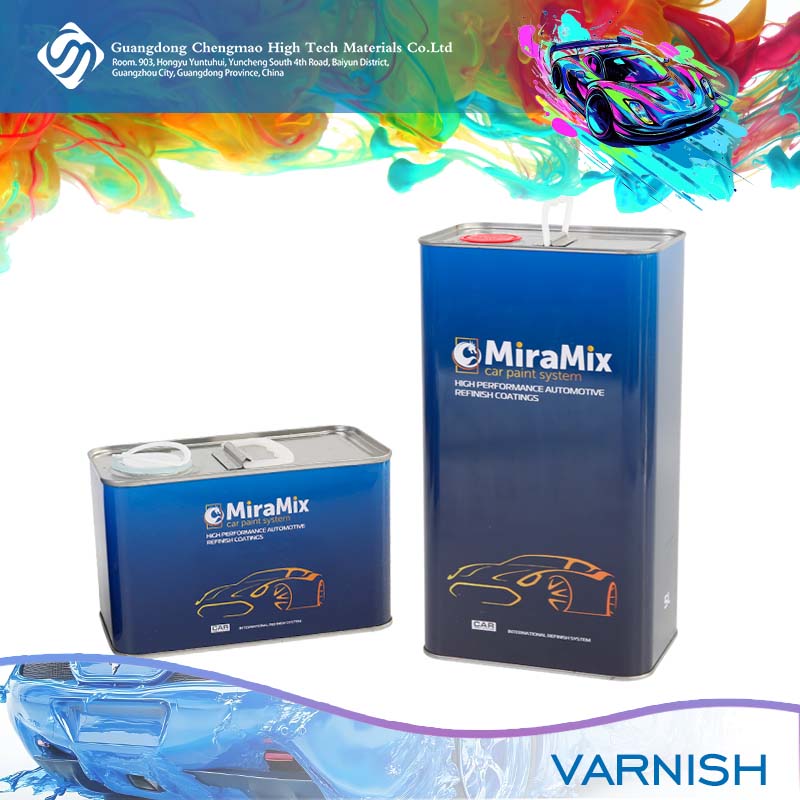
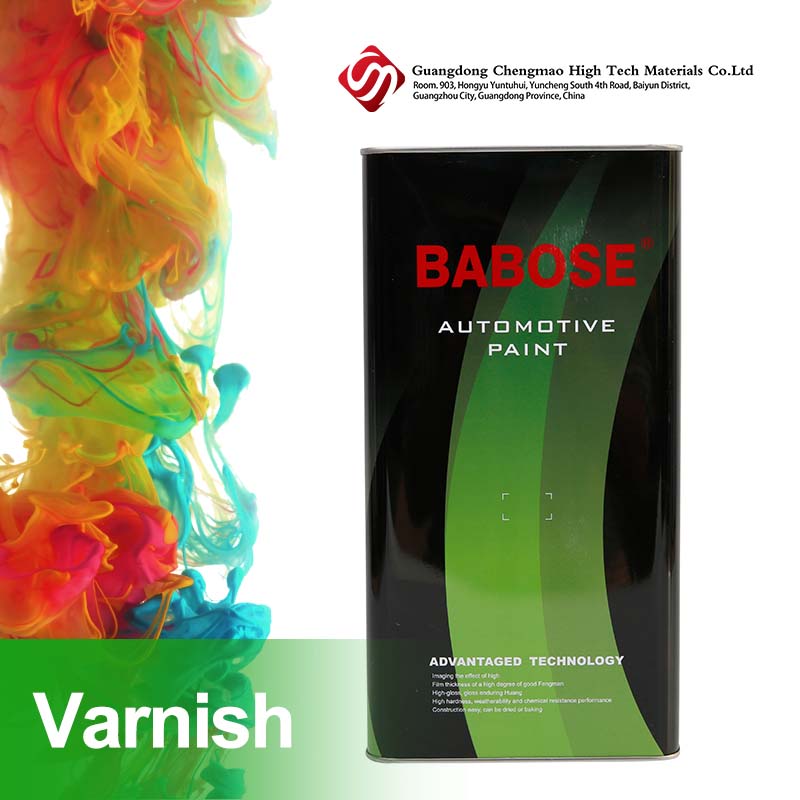
When planning an automotive painting project, you must consider the specific characteristics of the products you intend to use. Different formulations offer varying levels of durability, drying speeds, and visual effects.
Here is a quick breakdown of common automotive coating components and their primary functions:
Coating Type | Primary Function | Key Benefit |
Primer | Prepares the surface | Prevents rust and ensures color adhesion |
Putty Filler | Levels deep scratches and dents | Creates a perfectly flat canvas |
1K Basecoat | Delivers the vehicle's color | Fast drying with vibrant color options |
2K Topcoat | Combines color and protection | Highly durable and resistant to chemicals |
Choosing the right combination of these products ensures that the final result is both visually stunning and capable of withstanding daily wear and tear.
Time is a crucial factor in any professional body shop or home garage project. Waiting days for layers to dry can lead to dust contamination and significant delays. To combat this, automotive paint systems utilize chemical additives that accelerate the drying and curing phases.
By introducing a specific Hardener into a 2K paint mixture, you initiate a chemical reaction that forces the coating to cure rapidly. This additive transforms the liquid paint into a tough, durable shell. Using the correct ratio ensures the paint film dries thoroughly, preventing issues like shrinking, cracking, or loss of gloss over time.
When applied correctly using premium materials, a professional-grade finish can last upwards of 10 to 15 years. Regular maintenance, such as routine washing and periodic waxing, will significantly extend the life of the surface.
Yes, but the existing surface must be thoroughly prepped. The old layer should be free of peeling, rust, and deep scratches. You must scuff the surface properly so the new materials can adhere without peeling later on.
A dull finish usually indicates an issue with the transparent protective layer. It could be the result of applying the product too thinly, spraying in high humidity, or using an incorrect mixing ratio. Buffing and polishing can sometimes restore the shine, but severe cases require a light sanding and a fresh top layer.
Creating a flawless, durable finish on any vehicle requires patience, the right technique, and superior materials. By understanding how each layer interacts and protects the surface beneath it, you can avoid common pitfalls and achieve professional-level results.
Take the time to assess your specific project needs. Evaluate your workspace, choose the appropriate materials for your climate, and always follow the manufacturer's recommended mixing ratios. With the right preparation and premium products, your vehicle will turn heads and remain protected for every journey ahead.


