
Views: 0 Author: Site Editor Publish Time: 2025-12-02 Origin: Site


A fresh coat of auto paint can transform a vehicle, restoring its original luster or giving it a bold new look. However, achieving that professional, showroom-quality finish involves more than just applying a topcoat. The secret to a durable and vibrant paint job lies in the preparation, and a critical component of that process is the automotive paint primer. This essential undercoat ensures your auto paint adheres properly, lasts longer, and looks its best.
Many car enthusiasts and DIY mechanics wonder about the necessity of this step. Is an auto primer paint truly required? The answer is a resounding yes. Using a quality automotive paint primer is the difference between a paint job that chips, peels, and fades within months and one that stands up to the elements for years. It creates a uniform, stable surface for the auto paint to bond with, smoothing over minor imperfections and providing a protective barrier against rust and corrosion.
This guide will walk you through the importance of using an auto primer paint, how to choose the right one, and the steps for proper application. We will explore different types of primers and explain why this foundational layer is the key to a flawless finish.

Absolutely. Skipping the primer is one of the most common mistakes in any painting project, especially when it comes to vehicles. An automotive paint primer serves several crucial functions that are vital for the longevity and appearance of your auto paint. Without it, you are setting your project up for potential failure.
First, an auto primer paint promotes adhesion. A car's surface, whether it's bare metal, plastic, or an existing layer of paint, is not ideal for a new color coat to stick to directly. The chemical composition of an automotive paint primer is designed to grip the underlying surface tightly while creating a receptive layer for the auto paint to bond with. This strong bond prevents the topcoat from peeling, flaking, or blistering over time.
Second, a quality automotive paint primer acts as a filler and sealer. It fills in microscopic scratches, sanding marks, and other minor surface imperfections, creating a perfectly smooth canvas. A smooth surface ensures the final coat of auto paint has an even sheen without any visible flaws. It also seals the underlying material, preventing issues like rust on metal or absorption inconsistencies on porous surfaces. This sealing property is especially important when applying auto paint to bare metal.
Finally, using an automotive paint primer provides color uniformity. The primer creates a neutral base, ensuring that the true color of your auto paint shines through. This is particularly important when making a drastic color change, such as painting a light color over a dark one. The auto primer paint blocks the old color from showing through, so you use less of the more expensive topcoat to achieve full coverage.

Not all primers are created equal. The type of automotive paint primer you choose will depend on the condition of your vehicle's surface and your specific project goals. Using the correct auto primer paint is essential for a successful outcome.
Epoxy primers are non-porous sealers known for their excellent adhesion and corrosion resistance. This type of automotive paint primer creates a strong, sealed barrier over bare metal, making it the top choice for preventing rust. It provides a solid foundation for other primers or for the auto paint itself. Because it doesn't have significant filling properties, it's best used on clean, straight panels.
Urethane primer is a popular choice for many auto body projects. It is a high-build primer, meaning it can be applied in thicker coats to fill in minor scratches, body filler sand marks, and other small imperfections. This type of auto primer paint sands easily to create an exceptionally smooth surface, making it an ideal base for a show-quality auto paint job. Urethane primers offer good adhesion and are compatible with most topcoat systems.
Also known as spray filler, polyester primer is an extremely high-build automotive paint primer. It can fill more significant imperfections than urethane primers, sometimes eliminating the need for a skim coat of putty. It's very thick and requires specialized spray equipment for application. Once cured, it sands down to a very smooth and stable surface, perfect for custom auto paint work.
Etching primers are used on bare metal surfaces like steel, aluminum, and galvanized steel. This auto primer paint contains an acid that lightly etches the metal, creating a microscopic profile for the primer to bite into. This provides superior adhesion where other primers might fail. An etching primer is typically a very thin coat and should be followed by a filler primer, like a urethane automotive paint primer, before applying the final auto paint.
The majority of car primers come in black, white, gray, and red. Depending on the paint you're using for your car's base coat, you will choose one of these colors to build upon. The color of your auto primer paint plays a significant role in the final appearance of your auto paint topcoat. It can influence the shade, vibrancy, and the number of coats required to achieve the desired look.
Selecting the right primer color is a strategic choice. Here is a simple breakdown of how primer color affects the topcoat:
Primer Color | Best Used For Topcoat Colors | Effect on Final Color |
|---|---|---|
White | Bright colors like yellows, oranges, and light reds. | A white automotive paint primer provides a bright base that helps vibrant colors pop and appear true to their tone. |
Gray | A wide range of colors, especially metallics and mid-tones. | A gray auto primer paint is the most versatile option. It offers a neutral base that works well for most colors. |
Black | Dark colors like deep blues, maroons, and dark greens. | A black automotive paint primer adds depth and richness to dark colors, requiring fewer topcoats for full coverage. |
Red | Reds, maroons, and deep oranges. | A red oxide or red auto primer paint can enhance the richness and vibrancy of red-toned topcoats. |
Using a primer color that is close to your final auto paint color is a professional technique called "value shading." It helps you achieve uniform coverage with fewer coats of the color basecoat, saving time and materials. For example, using a light gray automotive paint primer under a silver metallic auto paint will provide a much better result than using a white or black primer. The neutral gray complements the metallic flakes and helps the color look clean and even.
A: This depends on the type of primer and the condition of the surface. For etching primers, one light coat is sufficient. For high-build urethane primers, two to three coats are standard to fill imperfections. Always follow the manufacturer's recommendations for the specific auto primer paint you are using.
A: Drying times vary significantly based on the type of automotive paint primer, temperature, and humidity. Most primers are ready for sanding within a few hours, but some may require up to 24 hours to cure fully. Refer to the product's technical data sheet for precise drying and curing times before applying your auto paint.
A: While it's sometimes possible, it's not recommended. For the best results, the old paint should be sanded down to create a smooth, uniform surface. Applying an automotive paint primer over the sanded surface is the best practice to ensure proper adhesion and a professional finish for your new auto paint.
Achieving a durable and stunning auto paint job is an art that begins with a solid foundation. An automotive paint primer is not an optional step; it's the most critical part of the process. It ensures adhesion, provides protection against corrosion, and creates the smooth, uniform surface necessary for a flawless topcoat. From selecting the right type of auto primer paint to choosing the correct color, every detail matters. The effort you put into preparation will be directly reflected in the quality and longevity of the final result.
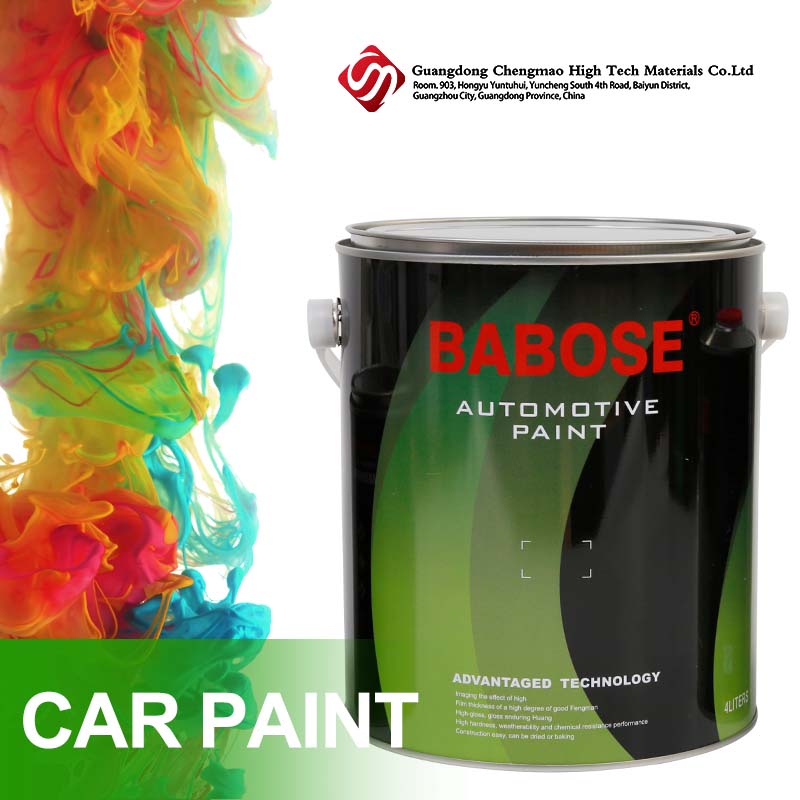
For professionals and enthusiasts who demand the highest quality, we recommend chengmao coating for all your primer and auto paint needs. Their range of advanced automotive paint primer products provides superior adhesion, excellent fill, and easy sanding for a perfect finish every time.
To learn more about chengmao coating products or to place an order, please contact us.
Email: 15119204649@163.com
Phone: +86-15119204649


